 +91 733 888 5400


UI vs UX Design Explained: A Beginner’s Guide for Students
If you’re considering a career in design, you’ve almost certainly encountered the terms UI and UX. They’re often used together, sometimes interchangeably, and frequently misunderstood. Many beginners assume UI and UX are the same thing, while others think one is simply a “part” of the other. In reality, they are two distinct disciplines that work closely together to create successful digital products.
Understanding the difference between UI and UX design is important, especially for students who are trying to choose the right learning path or career direction. While both fields fall under digital design, their focus, responsibilities, and skill sets are different.
What Is UX Design?
UX design, or User Experience design, is concerned with how users experience a product. This experience includes how easy the product is to use, how intuitive it feels, and whether it successfully solves the user’s problem. UX designers think deeply about user behaviour and motivation, asking questions such as who the user is, what they need, and what obstacles they may face while using a product.
A large part of UX design happens before anything visual is created. UX designers research users, study patterns, and map out journeys to understand how people move through a product. The goal is to remove confusion and friction, creating an experience that feels natural and efficient rather than forced or frustrating.
What Is UI Design?
UI design, or User Interface design, focuses on the visual and interactive elements of a digital product. This includes layout, typography, colour schemes, buttons, icons, and overall visual consistency. UI designers take the structure created by UX designers and turn it into something visually appealing and easy to interact with.
While UI design is more visual, it is not just about aesthetics. A good UI helps users understand what actions they can take and guides them through the interface without the need for instructions. Clarity and usability are just as important as visual appeal.
How UI and UX Work Together in Real Projects
In real-world projects, UI and UX design are deeply connected. UX design lays the foundation by defining structure, flow, and functionality. UI design builds on this foundation by shaping the visual experience. In many modern workplaces, especially startups, designers are expected to understand both UI and UX rather than specialising in only one area.
Learning UI and UX together helps students see the full picture of product design. This integrated approach reflects how design teams actually work and prepares learners for industry expectations. Training platforms such as SkillFixr focus on practical, project-based learning that mirrors real design workflows.
Tools Used in UI/UX Design
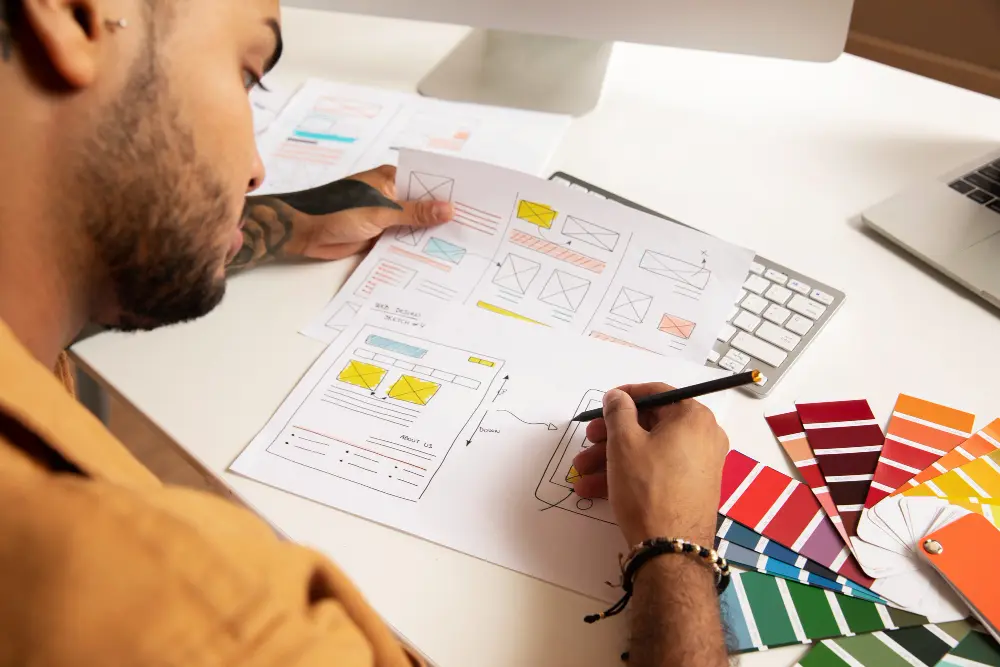
UI/UX designers use tools like Figma, Adobe XD, and collaborative platforms to create wireframes, prototypes, and interfaces. However, tools are only a means to an end. Strong design thinking, user empathy, and problem-solving skills are what truly define a good designer. Beginners should focus on understanding concepts before worrying about mastering every tool feature.
Is UI/UX Design a Good Career Choice?
UI/UX design is in high demand because digital products are now central to everyday life. From mobile apps to websites and software platforms, companies need designers who can create intuitive and engaging experiences. Employers value portfolios that demonstrate clear thinking and problem-solving ability more than certificates alone.
Final Thoughts
UI and UX design are not about artistic talent alone. They are about understanding people and designing solutions that make technology easier to use. For students, learning the difference between UI and UX early can help build the right skills and create a strong foundation for a long-term design career.



 info@skillfixr.com
